Buying new construction in Scotch Plains sounds simple until you see how few true new builds actually hit the market. In a town where inventory is tight and prices are already high, newer homes often come with a premium, extra paperwork, and important questions about zoning, permits, and final approvals. If you are considering a newly built or newly rebuilt home here, this guide will help you understand what to expect, what to ask, and where to be careful. Let’s dive in.
What new construction looks like in Scotch Plains
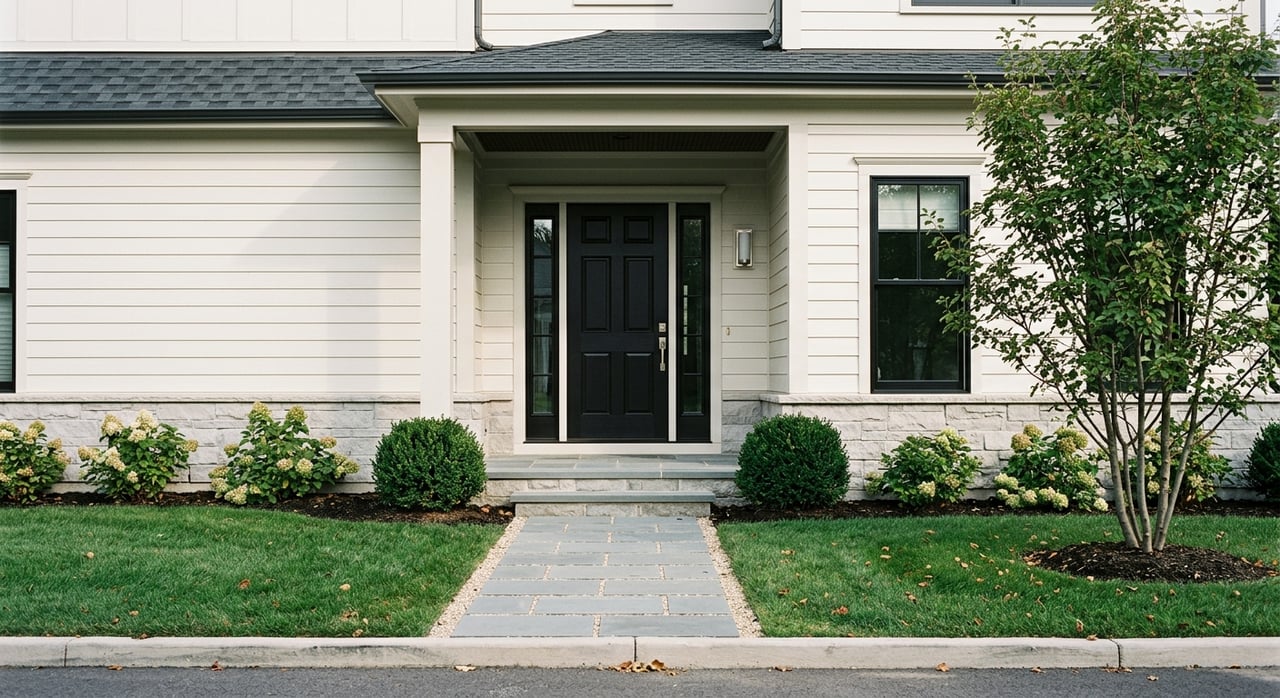
If you are picturing a large master-planned neighborhood filled with model homes, that is usually not what you will find in Scotch Plains. Most new construction here is made up of one-off custom homes, tear-down and rebuild projects, existing-foundation builds, or small redevelopment pockets.
That matters because your buying experience may feel very different from buying in a large subdivision. Instead of one national builder with a standard package, you may be evaluating a single property on its own lot, with its own approvals, layout decisions, and construction history.
Why prices are so high
New construction in Scotch Plains is typically a move-up or relocation product, not entry-level housing. According to Zillow’s Scotch Plains home value data, the typical home value was $805,294 as of February 28, 2026, up 6.7% year over year.
The premium becomes even clearer when you look at recent sale and listing patterns. Redfin’s 07076 market data and current listings show that newer homes can range well above the broader market, with examples from about $1.4 million to nearly $4 million. At the time of the research, Redfin also showed just 7 new homes for sale in 07076, which points to very limited supply.
Common new-build patterns
Tear-downs and rebuilds
One of the most common paths to new construction in Scotch Plains is a tear-down or major rebuild. Some homes may also be marketed as new construction while using an existing foundation.
For example, 1530 Frank Street was marketed as new construction on an existing foundation. 311 Victor Street was presented as a 2026 build and renovated colonial, which shows why buyers should confirm exactly how a property is classified in public records and permits.
Infill homes on smaller lots
Some new homes are built on compact infill lots. That can be appealing if you want a newer home with less exterior upkeep, but it also means you should pay close attention to lot size and approvals.
The 311 Victor Street example sits on a 6,188-square-foot lot, which is smaller than standard minimums in many township residential zones. In a case like that, you should confirm whether the lot is conforming, legally nonconforming, grandfathered, or approved through a variance or subdivision process.
Larger custom homes
Scotch Plains also has larger custom new homes on bigger parcels. Current examples in the research included 2087 Dogwood Drive on 0.53 acre and 1191 Cooper Road on 0.95 acre.
This creates a clear tradeoff for buyers. You may be choosing between more land in an older home, or newer finishes and systems on a smaller lot, depending on the property.
Why zoning matters to you
Zoning is not just a builder issue. It directly affects what you are buying, how the home was approved, and whether the finished product matches township rules.
According to the Scotch Plains zoning code, the R-2 schedule includes a minimum lot size of 7,500 square feet, minimum width of 65 feet, front yard setbacks of 25 feet or 20 feet depending on garage layout, rear yard of 15 feet, maximum height of 35 feet, and maximum lot coverage of 35 percent. The R-3 excerpt shows a similar framework, with 30 percent lot coverage in the schedule excerpt.
If you are looking at a new home on a lot smaller than those standards, do not assume everything is simple or automatic. The property may still be perfectly legitimate, but you should understand whether it relies on prior subdivision approval, a variance, or a preexisting nonconforming lot.
Land versus newness
This is one of the biggest practical decisions in Scotch Plains. Older homes can sit on much larger parcels, while some newer homes are built on tighter lots.
The research highlighted older-home examples like 7 Scotchwood Glen at 0.92 acre and 7 Argyll Court at 1.62 acres, compared with current new-build examples as small as 6,188 square feet. If yard size, privacy, or future outdoor plans matter to you, this comparison should be part of your search from day one.
Permits and inspections to confirm
A beautiful kitchen and clean staging should never replace due diligence. The township states that a construction permit is required for any new construction, and inspectors in the building, plumbing, electric, and fire subcodes approve each phase.
The same township guidance notes that a new home permit can take several months, especially if a variance board review is needed. It also makes clear that work done without a permit is illegal.
Ask for the permit trail
When you tour a new home, ask to see the permit history, final survey, and status of inspections. You should also confirm whether the certificate of occupancy has been issued.
This is especially important in Scotch Plains because listings may describe a home as new, renovated, or rebuilt in different ways. You want the paperwork to match the marketing.
Check for street and utility work
The township also notes that street-opening permits are required when work goes into the street or behind the curb, and the fee is $40. If utility lines, curbs, sidewalks, or water connections were affected, ask whether all required permits were pulled and closed out properly.
It is a small detail that can point to a larger pattern. Organized documentation usually signals a more careful process.
Understand future taxes
New construction buyers should also plan for potential tax changes after completion. The township explains that the Tax Assessor processes building permits to determine added assessments, which can lead to an additional bill in October, due November 1.
In plain terms, the tax picture may change after the home is finished and assessed. That is worth discussing early so you can budget realistically.
Questions to ask before you offer
Here are smart questions to bring to a showing or buyer consultation:
- Is the lot conforming, or did it require a variance or subdivision approval?
- What inspections have been completed so far?
- Has the certificate of occupancy been issued?
- Can you provide the final survey and full permit history?
- Were any curb, street, water-line, or utility cuts made?
- Were all required street-opening permits pulled?
- What does the builder warranty cover?
- How is punch-list work handled after closing?
- Are there HOA dues or shared maintenance obligations?
These questions come directly from the way Scotch Plains handles permits, approvals, and redevelopment patterns. They help you move past surface-level finishes and understand the property itself.
Red flags to take seriously
Not every issue is a dealbreaker, but some deserve extra caution. In a market with one-off projects and limited supply, details matter.
Watch for these signs:
- Missing permit or inspection documentation
- Unclear answers about who built the home
- Marketing language that does not match public records
- Incomplete grading or drainage work
- No clear plan for punch-list items after closing
- Vague answers about HOA obligations or shared open space
The research also notes that in the R-3B zone, HOA ownership and maintenance of open space and recreation are part of the plan. If you are buying in a redevelopment pocket, read all governing documents closely before you commit.
How to evaluate the builder
Because Scotch Plains is not dominated by one large tract-home builder, builder reputation is often judged project by project. That means your homework should be local and specific.
Ask for prior addresses, local references, proof the builder has completed similar projects, and a record of inspection progress. In a town where much of the new inventory comes from custom builds and rebuilds, that kind of background can tell you more than a polished brochure.
How to buy strategically in Scotch Plains
If you want new construction in Scotch Plains, speed matters, but so does patience. The right approach is to be ready to act when a strong property appears while staying disciplined about lot size, approvals, taxes, and inspection status.
It also helps to define your priorities clearly. Are you looking for brand-new systems and finishes above all else, or would you trade some newness for more land and a different location within town? Knowing that answer early can save you time and stress.
A thoughtful local strategy can make a big difference in a market this tight. If you want guidance on how to compare properties, ask the right questions, and navigate the details with confidence, Kristen Lichtenthal is here to help you make a smart move.
FAQs
What does new construction usually mean in Scotch Plains, NJ?
- In Scotch Plains, new construction often means a tear-down and rebuild, an existing-foundation project, a custom home, or a small redevelopment opportunity rather than a large tract subdivision.
Why are new construction homes in Scotch Plains so expensive?
- New construction in Scotch Plains tends to be limited in supply and priced at a premium, with current examples commonly targeting move-up and relocation buyers rather than entry-level buyers.
What zoning issue should buyers check for Scotch Plains new construction?
- You should confirm whether the lot is conforming or whether the home relied on a variance, subdivision approval, or a legally nonconforming lot status.
What permits are required for new construction in Scotch Plains, NJ?
- The township states that new construction requires a construction permit, and inspections are handled through building, plumbing, electric, and fire subcodes during the process.
What should buyers ask before making an offer on a new build in Scotch Plains?
- You should ask about permit history, completed inspections, certificate of occupancy status, final survey, builder warranty, punch-list procedures, and any HOA or shared maintenance obligations.
Can property taxes change after buying new construction in Scotch Plains?
- Yes, the township notes that building permits are reviewed for added assessments, which can increase taxes and create an additional bill after completion.