If you are getting ready to sell your Westfield colonial, you may be wondering how much you really need to do before listing. In a market where homes can move quickly and many sell above list price, buyers notice condition and presentation right away. The good news is that preparing well does not always mean taking on a major renovation. It often means making smart, local decisions that respect your home’s character and help it show at its best. Let’s dive in.
Why first impressions matter in Westfield
Westfield remains a strong seller’s market, but that does not mean buyers overlook flaws. Recent market data shows fast days on market, strong sale-to-list ratios, and a large share of homes selling above asking. That tells you demand is high, but it also suggests buyers respond quickly to homes that feel move-in ready and visually polished.
For a colonial, the first impression often starts before a buyer walks through the front door. The exterior, front walk, porch, and entry set the tone for everything that follows. If those areas feel cared for, buyers are more likely to trust the rest of the home.
Protect your colonial’s character
Westfield is known for older neighborhoods with a strong collection of historic home styles, including Colonial Revival and other early 20th-century architecture. The town’s design guidance places clear value on preserving visible character and repairing original elements when possible. That matters when you are deciding what to update before selling.
In practical terms, your goal is not to make your colonial look brand new at any cost. Your goal is to make it look well maintained, bright, and true to its style. Buyers looking in Westfield often appreciate original proportions and architectural details when they are presented cleanly and thoughtfully.
Features worth preserving
Before replacing older elements, take a closer look at what adds authenticity to your home. Westfield’s guidance favors keeping original details and avoiding changes that alter the home’s proportions or street presence.
Focus on preserving or repairing features such as:
- Wooden double-hung sash windows, if present
- Original window and door openings
- Front porches and porch trim
- Stair rails, mantelpieces, and original doors
- Original masonry color and texture
- Bluestone or slate walks, where present
- Historic fences or site details that fit the home
If a feature can be repaired and cleaned up, that may serve you better than replacing it with something that looks out of scale or overly modern.
Updates that can work against you
Some changes may seem convenient, but they can weaken the look buyers expect from a classic Westfield colonial. Town guidance specifically discourages features like visible picture windows, sliding glass doors on historic buildings, fake shutters, and synthetic siding in historic contexts.
That does not mean every older home needs a museum-level restoration. It means your pre-sale choices should support the home’s architecture instead of competing with it.
Start with repairs, not remodeling
One of the biggest mistakes sellers make is assuming they need a full renovation before listing. In many cases, the better move is to handle deferred maintenance, simplify the space, and let the house speak for itself.
A thoughtful pre-listing plan often includes repair, deep cleaning, decluttering, light neutralizing, and strong photography. In a fast-moving market, buyers are usually reacting to how the home feels on day one, not whether every room was just fully remodeled.
Smart pre-listing fixes
If you want a solid return on effort, start with the items buyers notice most quickly during showings and inspections.
Consider prioritizing:
- Touch-up paint in light, neutral tones
- Repairing damaged trim or porch elements
- Cleaning gutters and tidying the foundation line
- Fixing sticky doors or windows
- Addressing visible cracks, stains, or water marks
- Replacing burned-out bulbs and improving room brightness
- Servicing anything that creates an obvious maintenance concern
These kinds of improvements help your home feel cared for without stripping away its personality.
Check historic status and permits early
If your property is locally designated historic, Westfield requires a Certificate of Appropriateness for work on the property. The town uses a long form for major work and a short form for minor work with negligible impact. Even if your home is not designated, the town encourages owners to use its design guidelines when planning repairs or improvements.
It is also important to know that ordinary maintenance may not need a permit, but work beyond ordinary maintenance may require one. Additions, new structures, pools, decks, sheds, and patios require zoning review. Once a complete application is received and all required approvals are in place, the town generally must review or deny the permit within 20 business days.
That timeline is a good reason to start your prep early. If you discover unfinished permit issues right before listing, they can create stress and delays.
Get ahead of sale requirements
Westfield does not require a CO or CCO to sell a home, but it does require a Certificate of Smoke Detector and Carbon Monoxide Alarm Compliance Inspection for a sale. The fire department also notes that open construction permits need to be closed before that certificate can be issued.
This is one of the easiest places to avoid last-minute problems. If you are thinking about selling in the near future, check now for open permits, smoke detector compliance, and carbon monoxide alarm placement.
Documents to gather before listing
A well-organized seller often feels more confident, and buyers tend to feel more comfortable too. Since New Jersey’s disclosure form asks about known conditions, past work, and permits, it helps to collect your records before your home hits the market.
Try to gather:
- Permit records and final approvals
- Invoices for repairs or improvements
- Roof, chimney, or window records
- Appliance and system warranties
- Flood or drainage history, if applicable
- Records for additions or alterations
- Lead-related documents for older homes, if available
Having these ready can make disclosures smoother and help answer buyer questions quickly.
Prepare for disclosures carefully
New Jersey’s Seller’s Property Condition Disclosure Statement is not a warranty, but it does ask about many issues sellers should review before listing. These include roof leaks, basement moisture, mold, foundation movement, fire or flood damage, prior additions or alterations, and whether proper permits and approvals were obtained.
New Jersey law also requires flood disclosure before a buyer becomes obligated under a purchase contract. Sellers must disclose whether the property is in FEMA’s Special Flood Hazard Area or Moderate Flood Hazard Area, along with any actual knowledge of flood risk.
For homes built before 1978, lead-based paint disclosure is also required. Buyers receive a 10-day period to conduct a lead-based paint inspection or risk assessment unless that right is waived.
The key here is simple: prepare early and answer carefully. A clear paper trail and a thoughtful review of your home’s history can reduce friction once buyers begin asking detailed questions.
Stage for space and authenticity
Staging can make a real difference in how buyers experience your home. According to the 2025 NAR staging report, 83% of buyers’ agents said staging made it easier for buyers to visualize the property as a future home. Sixty percent said staging affected most buyers’ view of the home most of the time.
For a Westfield colonial, staging works best when it helps rooms feel open, current, and comfortable without hiding original character. You want buyers to notice the charm and the function at the same time.
Best rooms to focus on
The same staging report found that the rooms most often staged were the living room, primary bedroom, dining room, and kitchen. If your budget or time is limited, those are smart places to start.
In a colonial, also pay attention to room scale. Oversized furniture, heavy curtains, and crowded shelves can make older rooms feel smaller than they are.
Staging tips for older homes
Use staging to support the home’s best features, not cover them up.
A few helpful guidelines:
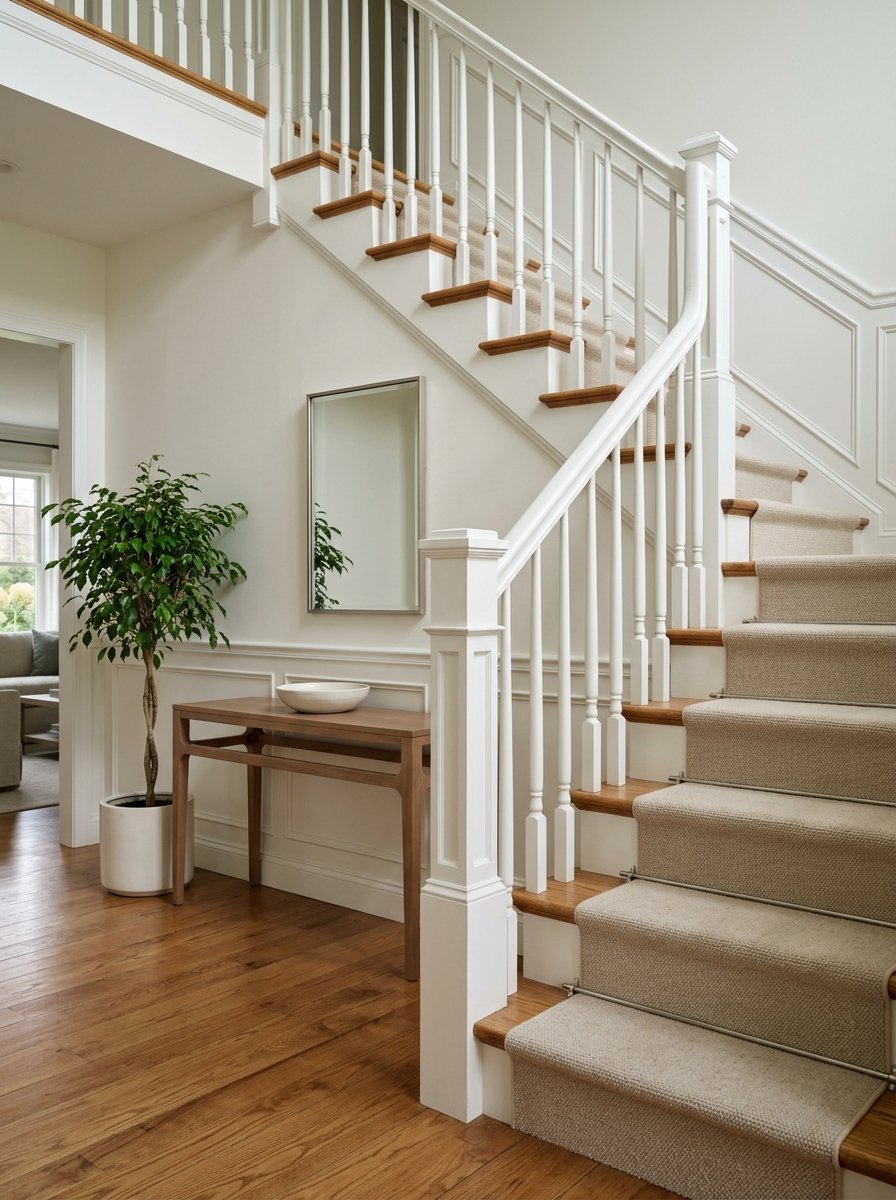
- Keep trim, stair rails, and mantel details visible
- Use lighter, scaled furniture where possible
- Clear surfaces to make rooms feel larger
- Minimize cords, personal photos, and excess decor
- Avoid heavy window treatments that hide window shape or reduce light
- Let original doors and architectural details remain part of the visual story
This approach helps buyers see your home as both timeless and livable.
Make photo day count
Photos are one of the most important parts of your listing launch. In the same NAR report, 88% of sellers’ agents said photos were the most important listing asset, ahead of videos and physical staging.
That matters even more in a place like Westfield, where buyers often move quickly. If the photos are bright, clean, and well composed, your home is more likely to generate strong early interest.
Photo prep checklist
Before photography, focus on the details that translate best online:
- Open blinds or shades to bring in natural light
- Remove small appliances and countertop clutter
- Straighten bedding and fluff pillows
- Hide pet items, cords, and trash bins
- Clean mirrors, windows, and reflective surfaces
- Freshen the front porch and front door area
- Sweep the walk and tidy landscaping
For a colonial, the front entry matters a great deal. A crisp porch, clean steps, and neat landscaping create the kind of welcoming image that encourages buyers to book a showing.
Focus on the exterior buyers see first
Westfield’s guidance emphasizes site character, including front-facing façades, porches, walks, setbacks, and complementary landscaping. That makes exterior prep especially important when you are trying to stand out.
You do not need an elaborate landscape redesign to create a strong impression. In many cases, a neat lawn, trimmed shrubs, clean porch, and well-kept front walk send the right message.
Exterior priorities before listing
If you are deciding where to spend time outside, start here:
- Front walk and steps
- Porch floor, railings, and trim
- Gutters and downspouts
- Foundation line and planting beds
- Mailbox, house numbers, and lighting
- Lawn edging and shrub trimming
These updates support the polished, cared-for look that buyers expect at Westfield price points.
Sell with a clear local strategy
Preparing a Westfield colonial for sale is not about erasing its age or chasing every trend. It is about presenting the home in a way that fits the local market, respects its architecture, and removes the distractions that keep buyers from seeing its value.
When you pair smart repairs, careful disclosures, thoughtful staging, and polished marketing, you give yourself the best chance to launch with confidence. And in a market where first impressions carry real weight, that preparation can make a meaningful difference.
If you are thinking about selling and want a thoughtful plan tailored to your home, Kristen Lichtenthal can help you prepare, position, and market your Westfield property with the kind of white-glove care that makes the process feel smoother from day one.
FAQs
What should you fix before selling a Westfield colonial?
- Start with visible maintenance issues, safety items, brightness, and curb appeal. Repairs to trim, paint, gutters, doors, windows, and signs of moisture often matter more than a full remodel.
Does Westfield require a certificate of occupancy to sell a house?
- No. Westfield does not require a CO or CCO for a home sale, but it does require a Certificate of Smoke Detector and Carbon Monoxide Alarm Compliance Inspection.
Do open permits matter when selling a home in Westfield?
- Yes. Westfield notes that open construction permits need to be closed before the smoke detector and carbon monoxide compliance certificate can be issued.
Should you replace original features in a Westfield colonial before listing?
- Usually, repair and preservation are worth considering first. Westfield’s design guidance favors keeping original openings, porches, trim, windows, and masonry character where possible.
What disclosures do New Jersey sellers need to prepare for?
- Sellers should be ready to disclose known property conditions, prior work, permit history, flood-related information, and lead-based paint information for homes built before 1978.
Which rooms matter most when staging a home for sale?
- The 2025 NAR staging report found that the living room, primary bedroom, dining room, and kitchen were the rooms most often staged.